indiantemples.online

Varanasi, Uttar Pradesh | Dedicated to Lord Shiva

Kashi Vishwanath Temple


Stand in the presence of the infinite. As one of the twelve sacred Jyotirlingas, the golden spire of Kashi Vishwanath has guided seekers, sages, and kings for millennia along the sacred banks of the Ganges.

SACRED SHRINE DIRECTORY

Temple Essential Information


Location

Varanasi, Uttar Pradesh, India

Main Deity

Lord Shiva (Shree Kashi Vishwanath)

Built By

Maharani Ahilyabai Holkar in 1780

Famous For

Sacred Jyotirlinga & the Majestic Golden Spire

Best Time

October to March (Pleasant winter weather)

Official Portal

Plan rituals, check schedules, and watch live telecasts.

Visit Website

The Sacred Chronicles

A Timeline of Sacred Resilience


Kashi Vishwanath stands not merely as brick and stone, but as the cosmic anchor of Hindu civilization. Journey through its legendary origins, historical struggles, and grand reconstructions across the ages.

Ancient stone carvings depicting Indian spiritual motifs
Origins & Legend

The Eternal Fiery Pillar of Light

Puranic Legend: According to the Shiva Purana, Kashi represents the absolute first point of cosmic creation. When Brahma and Vishnu debated supreme dominion, Lord Shiva manifested as a boundless pillar of fire (Jyotirlinga) that pierced the heavens. He decreed Varanasi to be his eternal terrestrial home, declaring that anyone who leaves their physical body here achieves instant Moksha (liberation).

Historical Facts: Archeological excavations and ancient texts trace continuous sacred worship at Varanasi's temple site dating back to at least 500-800 BCE. The first grand physical temple architecture of which we have precise historical records was erected during the golden age of the Gupta Dynasty around 500 CE, rapidly becoming India's foremost pilgrimage hub.

Historic temple architecture and detailed relief stone ruins
Destruction & Defense

A Citadel Targeted but Unbroken

The physical structure of Kashi Vishwanath witnessed centuries of targeted devastation by imperial invaders. In 1194 CE, the forces of Qutb-ud-din Aibak reduced the temple to rubble. Devotees reconstructed it shortly after, only for it to be desecrated again under successive Delhi Sultanates. Despite systematic oppression, Hindu kings and regional rulers repeatedly rebuilt the sacred layout.

The final major demolition took place in 1669 under Mughal Emperor Aurangzeb, who erected the Gyanvapi Mosque on the temple's structural foundation. To protect the prime manifestation of divinity, the chief temple priests heroically plunged the sacred Jyotirlinga deep into the adjacent 'Jnana Vapi' (the sacred well of wisdom), shielding it from desecration.

Glow of spiritual lamps at an Indian heritage temple
The Great Reconstruction

Rani Ahilyabai Holkar's Historic Legacy (1780)

After nearly a century of the holy city existing without a formal sanctum sanctorum, Maharani Ahilyabai Holkar—the visionary Maratha queen of Indore—stepped forward. In 1780, driven by a deep spiritual oath, she funded and supervised the construction of the present-day temple directly adjacent to the ruins of the older site, returning classical Hindu architectural geometry to Varanasi.

Decades later, in 1835, Maharaja Ranjit Singh of Punjab added to her monumental work by donating 1,000 kilograms of pure gold to plate the magnificent spires and dome, giving Kashi Vishwanath its identity as the legendary Golden Temple of Shiva.

The Divine Significance of Kashi

Unveiling the eternal spiritual canvas of Varanasi, where sacred legends breathe and liberation is a living promise.


The Gateway to Moksha

Kashi is hailed as the cosmic ground of ultimate release. To pass from this mortal realm within its sacred boundaries is to transcend the cycle of Samsara and achieve absolute liberation.

The Fiery Jyotirlinga

Legend whispers of a colossal pillar of light (Jyotirlinga) that split the heavens to demonstrate Lord Shiva's infinite supremacy. Kashi is established upon this primeval core of cosmic fire.

The Ganga Aarti

A majestic nightly dance of light, rhythm, and devotion. Priests worship the divine Ganga with multi-tiered brass lamps and ringing bells, bridging the physical and the celestial.


"Benares is older than history, older than tradition, older even than legend, and looks twice as old as all of them put together."

— Mark Twain

Sacred Temple Architecture

An embodiment of cosmic order and divine proportions, showcasing centuries of spiritual craftsmanship.


Nagara style temple architecture with golden Shikhara

The Majestic Shikhara & Garbhagriha

Rising gloriously towards the heavens, the Nagara-style Golden Shikhara symbolizes the cosmic mountain, Mount Meru. Beneath this celestial spire lies the Garbhagriha (the womb-chamber)—a sacred, silent sanctuary hosting the radiant, silver-covered Shiva Lingam. Each stone wall is a canvas of the infinite, adorned with intricate carvings of deities, celestial dancers, and geometric mandalas.

Sacred Darshan & Aarti Timings

Experience the divine energy of ancient daily Vedic rituals conducted with spiritual devotion.


Ritual & Aarti Scheduled Time
Mangala Aarti 3:00 AM
Bhog Aarti 11:15 AM
Sapta Rishi Aarti 7:00 PM
Shringar Aarti 9:00 PM
Shayana Aarti 10:30 PM

Note: Timings may vary during Shivratri and other auspicious festival days.

Aarti, Puja & Sacred Sevas


Experience the sublime grace of divine rituals. Book personalized services, fast-track darshan packages, and secure sacred prasad directly from the sanctum sanctorum.

Sugam Darshan

Skip the extensive queues with our expedited darshan service, meticulously structured for comfort and peace.

Special Puja Booking

Book personalized Pujas, Archana, and majestic Havans performed by highly learned vedic priests in your name.

Sacred Prasad

Receive divine blessings directly at your doorstep. Pure, hygienic and spiritually energized sacred elements.

All bookings are routed directly through the temple's official management gateway.

Book Online Now

Sacred Seasons of Pilgrimage

Align your spiritual journey with ancient rhythms, perfect climates, and majestic celestial celebrations.


✨ BEST CHOICE

Winter (Oct - Mar)

The golden spiritual season. Clear skies, crisp mornings, and beautiful temperate afternoons. Perfect for holy dips in the Ganges, long temple circumambulations, and peaceful evening aartis.

🌡️ 10°C - 25°C • Ideal Climate

☀️ INWARD RETREAT

Summer (Apr - Jun)

Intense solar warmth covers the subcontinent. Best suited for quiet, meditative inner journeys. Experience uncrowded temple shrines during peaceful early dawn or cool evening hours.

🌡️ 30°C - 42°C • High Heat

🌧️ SACRED FLOODS

Monsoon (Jul - Sep)

Sacred rivers swell majestically amidst the rains. Features the holy month of Shravan, where colorful Kanwar processions and deep Shiva chanting breathe incredible life into local temples.

🌡️ 25°C - 32°C • Humid & Lush

THE ZENITH CELEBRATION

Mahashivratri: The Divine Peak

Occurring late winter (February or March), Mahashivratri is the absolute grandest event. Devotees gather for continuous chanting, exquisite temple decors, and mesmerizing midnight ceremonies. It is an unmatched window into pure, living spiritual ecstasy.

⚠️ Peak Crowd Advisory: During Mahashivratri and Dev Deepawali, spiritual towns welcome millions of pilgrims. Expect vibrant, crowded streets and long queue lines. We strongly advise booking luxury transport and premium retreats 4 to 6 months in advance.

Plan Your Custom Pilgrimage
Ganges river ghat grand dynamic prayer ritual ceremony in winter Varanasi

Sacred Festivals of Kashi

Experience the cosmic alignment and mystical rituals of Varanasi through its most vibrant, centuries-old celestial celebrations.


Mahashivratri sacred flames and Shiva statue silhouette

Phalguna Krishna Chaturdashi

Mahashivratri

The Great Night of Shiva. In Varanasi, a grand wedding procession of Lord Shiva is recreated through the streets. Devotees perform night-long vigils, chant ancient Vedic hymns, and offer holy Ganges water and Bilva leaves to the Shiva Lingam.

Dev Deepawali millions of clay lamps lit on Ganga ghats

Kartik Poornima

Dev Deepawali

Known as the Diwali of the Gods. Every single stone steps of Varanasi's eighty-four ghats is beautifully illuminated with over a million earthen diyas. Ancient Sanskrit mantras echo in unison during the majestic Maha Aarti performed at sunset.

Colorful spiritual temple offering gulal

Phalguna Shukla Ekadashi

Rang Bhari Ekadashi

The official onset of Holi in Kashi. Celebrated as the day Lord Shiva brought Goddess Parvati to his holy abode. Devotees carry the idols of the divine couple in a golden palanquin, showering them with vibrant herbal gulal and flower petals.

SACRED MAJESTY & HERITAGE

Why Is Kashi Vishwanath Famous?


One of 12 Sacred Jyotirlingas

As the supreme manifestation of Lord Shiva's endless pillar of light, a pilgrimage here is believed to liberate the soul from the eternal cycle of birth and rebirth.

800kg Pure Gold Spire

The majestic temple dome and spire are plated with nearly a ton of pure gold, donated by Maharaja Ranjit Singh in 1835, creating an awe-inspiring heavenly glow.

Kashi Vishwanath Corridor

A breathtaking modern architectural marvel that directly connects the sacred ghats of the River Ganges to the temple complex, offering barrier-free access.

Spiritual Heart of Hinduism

Standing as the cosmic epicenter of spiritual longing for millennia, it is the city's ancient beating heart, revered by saints, scholars, and millions of devotees.

Traditional Beliefs

Mythology & Temple Stories


Varanasi, the eternal city, breathes through its sacred legends. Delve into the ancient texts and divine chronicles that continue to shape the spiritual atmosphere of this celestial landscape.

The Divine Abode

Stories of Lord Shiva & Goddess Parvati

Kashi is believed to be the cosmic home of Lord Shiva and Goddess Parvati. According to scriptures, when Shiva decided to make Varanasi his permanent home after marrying Parvati, the city became the locus of cosmic light. It is said that even during the universal dissolution (Pralaya), Shiva holds Kashi aloft on his Trident, keeping it completely untouched by destruction.

Explore Scriptures
Ancient stone carvings of Hindu deities representing Lord Shiva and Goddess Parvati

The Infinite Light

The Legend of the Jyotirlinga

To settle a debate of supremacy between Brahma and Vishnu, Lord Shiva manifested as a boundless pillar of fire piercing through the universe—the Jyotirlinga. Only twelve places on earth hold the concentrated energy of this divine fire. Kashi Vishwanath is revered as the first, supreme manifestation, offering instant salvation (Moksha) to those who worship its fiery core.

Discover Pilgrimage Stories
Silhouette of grand temple spires reaching towards the spiritual twilight sky

The Gateway of Liberation

Significance of Manikarnika Ghat

Manikarnika is the sacred center where physical death is not a tragedy, but a transformation. Legend has it that Goddess Parvati's earring (Manikarnika) fell into a well dug by Vishnu here. Touched by eternal fire, this ground offers liberation. It is believed that Lord Shiva himself whispers the sacred Taraka Mantra into the ears of those cremated here, granting instant Moksha.

Learn Sacred Rituals
Ganges river ghats at Varanasi during spiritual sunrise rituals

PLAN YOUR PILGRIMAGE

How to Reach the Temple


By Air

Lal Bahadur Shastri Airport (25km) is the nearest airport, well-connected to major Indian cities with regular domestic flights.

By Train

Varanasi Junction (4km) is the main railhead. Cab and auto-rickshaw services are readily available from the station exit.

By Road

Well connected via NH2. Both state transport and private luxury buses run frequently from neighboring cities and states.

SACRED GEOGRAPHY

Locate Kashi Vishwanath Dham

Sacred Geography

Explore Nearby Spiritual Landmarks


Set off on a profound journey of discovery. Delve into the sacred architectural marvels, historic ghats, and spiritual sanctuaries resting just a short distance from our doors.

Evening Ganga Aarti at Dashashwamedh Ghat

Dashashwamedh Ghat

0.5 km • 6 min walk

The heart of Varanasi's spiritual rituals. Famous for its magnificent, rhythmic evening Ganga Aarti ceremonies that invoke celestial blessings.

Explore Location
Sacred steps of Manikarnika Ghat

Manikarnika Ghat

1.2 km • 15 min walk

One of the most sacred cremation ghats on the Ganges, manifesting timeless cosmic elements, liberation (Moksha), and the profound reality of life.

Explore Location
Sankat Mochan Hanuman Temple architecture

Sankat Mochan Temple

3.5 km • 12 min drive

Established by saint Tulsidas, this holy temple is dedicated to Lord Hanuman, deeply revered as the powerful reliever of earthly suffering and obstacles.

Explore Location
Dhamekh Stupa in Sarnath

Sarnath

9.8 km • 25 min drive

The highly sacred deer park where Lord Gautama Buddha delivered his first sermon, turning the Wheel of Dharma in the presence of his first disciples.

Explore Location

Sacred Stays & Sanctuaries

Find your perfect haven. From majestic heritage hotels offering holy river views to serene ashrams and community dharamshalas, select the dwelling that suits your spiritual journey.


Luxury Heritage Hotel Near Temple

Luxury Heritage Hotels

Indulge in royal satvik hospitality. Featuring majestic architecture, private river ghat access, custom wellness treatments, and highly secure surroundings.

Book Luxury Stays
Sacred Dharamshala Accommodations

Sacred Dharamshalas

Pilgrim-focused community lodging. Providing safe, clean, and highly economical living units managed by traditional temple trusts and charitable groups.

View Dharamshalas
Peaceful Spiritual Ashram Stay

Spiritual Ashrams

Live the yogic way. Simple stays offering calm environments, regular meditation halls, daily chanting, and simple nourishing organic food.

Request Ashram Intake

Sacred Flavors of Kashi


From divine offerings in sanctified temples to the legendary street delicacies prepared across ancient lanes, food in Varanasi is a culinary journey woven with devotion, tradition, and rich heritage.

Temple Prasad Ladoo and Lal Peda of Varanasi

Naivedyam: Divine Prasad

Offered daily to the deities of Kashi Vishwanath and Sankat Mochan, the holy prasad carries deep spiritual resonance. Each batch is handcrafted by generational halwais using pure cow ghee, cardamom, and ancient techniques.

Authentic Varanasi Street Food including Lassi and Kachori

Subah-e-Banaras: Street Icons

The ancient, narrow alleys of Varanasi serve an exquisite gourmet experience. Witness the culinary craft of steaming crisp Kachori Sabzi at sunrise, velvety hand-churned Kulhad Lassi, and the iconic, aromatic Banarasi Paan.

Sacred Protocols

Visitor Guidelines & Code of Conduct

To maintain the divine sanctity and spiritual harmony of the temple complex, we kindly request all devotees to thoroughly read and observe the following sacred recommendations.

Sacred Rules of Entry


Help & Assistance


The temple remains open for devotees daily from 5:00 AM to 9:30 PM. For smooth queue coordination, we recommend early morning visits between 5:30 AM and 7:00 AM.

Need Help Planning?

If you require wheelchair arrangements, guided spiritual walks, or are planning a group pilgrimage, contact our devotee service desk in advance.

Contact Helpdesk

DARSHAN • VISUAL REVELATIONS

The Sacred Sanctuary Gallery


Experience the divine splendor and eternal energy of our sacred spaces. Click on any frame to open the high-resolution lightbox viewing experience.

DID YOU KNOW?

Sacred Chronicles & Wonders


Timeless Resilience

The sacred temple has been meticulously rebuilt several times across historical eras, standing tall as an eternal symbol of unyielding devotion.

Spire of Pure Gold

A breathtaking monument of divine opulence, the temple's majestic spire (Shikhara) is entirely covered in over 800kg of pure, consecrated gold.

Puranic Heritage

The spiritual significance of this sacred place is profoundly chronicled in the ancient Skanda Purana, highlighting its eternal celestial energy.

Temple Architecture & Specifications


A comprehensive historical, spiritual, and structural overview of the majestic Brihadeeswarar Temple of Thanjavur, built by the imperial Chola Dynasty.

Attribute

Details

Temple Name

Brihadeeswarar Temple (locally known as Rajarajeswaram or Thanjavur Big Temple)

Main Deity

Lord Shiva (revered as a colossal 8.7-meter tall monolithic Shiva Lingam within the inner sanctum)

Location

Thanjavur, Historic Kaveri Delta Region

State

Tamil Nadu

District

Thanjavur District

Built By

The great Chola Emperor Rajaraja I (completed and consecrated in 1010 AD to commemorate his glorious conquests)

Architecture Style

Pure Dravidian Architecture, showcasing the zenith of architectural and engineering advancement during the Chola Empire

Famous For

The world's first complete granite temple. Renowned for its 216-foot high Vimana tower, the massive monolithic Nandi statue (carved out of a single rock), and its status as a UNESCO World Heritage Site.

Best Time

October to March. The winter climate is pleasant and perfect for exploring the massive outdoor stone complex and architectural reliefs.

Opening Times

6:00 AM – 12:30 PM & 4:00 PM – 9:00 PM (open daily, with special Abhishekam rituals conducted throughout the week)

Nearest Transit

Airport: Tiruchirappalli International Airport (TRZ) - 61 km | Railway: Thanjavur Junction (TJ) - 2 km (fully connected to Southern Railway network)

Official Website

tnhrce.gov.in (Tamil Nadu Hindu Religious and Charitable Endowments Department portal)

SACRED KASHI DARSHAN

Explore More Temples


Kaal Bhairav Temple deity shrine

Kaal Bhairav Temple

Known as the guardian deity of Varanasi, this ancient temple is dedicated to the fierce manifestation of Lord Shiva, protecting the holy city.

View Details
Vishalakshi Shaktipeeth sacred temple

Vishalakshi Shaktipeeth

One of the 51 sacred Shaktipeeths, commemorating where the Goddess Sati's earrings are believed to have fallen on the holy banks of the Ganga.

View Details
Annapurna Devi Temple holy offerings

Annapurna Devi Temple

Dedicated to the Goddess of Food and Nourishment, standing adjacent to the legendary Kashi Vishwanath temple as a symbol of divine grace.

View Details
Mrityunjay Mahadev spiritual details

Mrityunjay Mahadev

Famed for its sacred healing well, this historic temple honors Lord Shiva as the ultimate conqueror of disease, offering a serene space for meditation.

View Details

Timing & Visitor Advisory

Please note that temple darshan timings, ritual schedules, and entry regulations are subject to change by respective authorities based on festival calendars, security requirements, and seasonal updates. Visitors are highly encouraged to cross-reference with official trust portals prior to planning their journey.


This informational segment utilizes official public records for educational and cultural discovery purposes.

Rudraprayag, Uttarakhand | The Highest Jyotirlinga

Kedarnath Temple

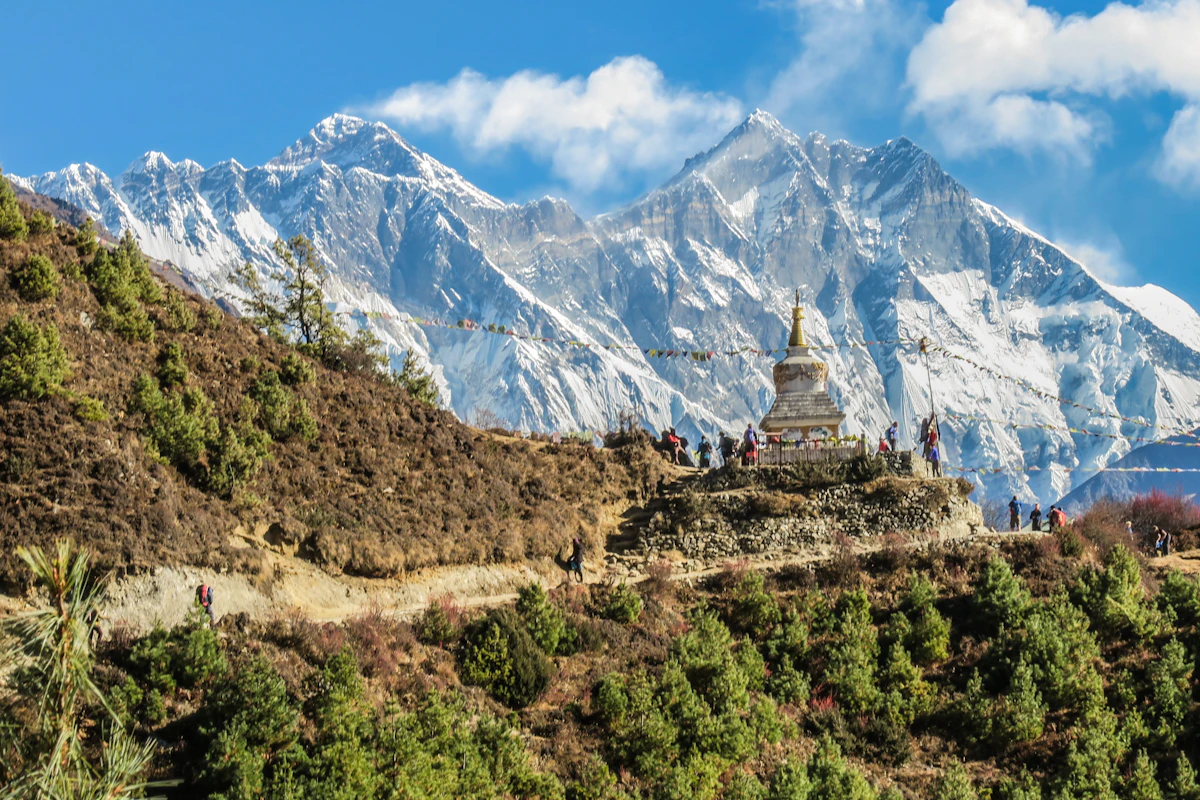
Nestled majestically amidst the eternal snow-capped peaks of the Garhwal Himalayas, Kedarnath stands as the most remote of the sacred Char Dham destinations. A timeless beacon of absolute devotion, where the divine aura of Lord Shiva meets raw, monumental grandeur.

SACRED PILGRIMAGE ESSENTIALS

Quick Reference & Shrine Information


Location

Rudraprayag, Uttarakhand

Main Deity

Lord Shiva (Sadashiva form)

Built By

Pandavas / Adi Shankaracharya

Famous For

Jyotirlinga, Char Dham Temple

Best Time

May-June, Sept-Oct

Official Portal

Visit Official Site

CHRONICLES OF THE SACRED

The Eternal History of Kedarnath


Perched at 3,583 meters amidst the majestic, snowy peaks of the Garhwal Himalayas, Kedarnath temple is a sanctuary where timeless myth merges seamlessly with historic reality. Explore the extraordinary journey of this sacred site across cosmic eras and modern trials.

Mystical snow peaks of Himalayas

Puranic Origins & The Pandavas' Quest

According to ancient Hindu legend preserved in the Puranas, the history of Kedarnath is deeply intertwined with the epic Mahabharata. Following the catastrophic Kurukshetra war, the Pandava brothers embarked on a journey to seek Lord Shiva’s blessings to free themselves from the guilt of fratricide.

Shiva, wishing to avoid them, assumed the form of a bull and took refuge in the Garhwal Himalayas. When Bhima spotted him, the Lord dove into the ground, leaving only his hump visible. Impressed by their unwavering devotion, Shiva pardoned them. The Pandavas then constructed the original shrine at Kedarnath to worship the hump, establishing the prime seat of the holy Panch Kedar.

Sacred stone temple architecture detail

8th-Century Revival: Adi Shankaracharya

Historically, the present temple edifice is credited to Adi Shankaracharya, the legendary philosopher-saint of the 8th century CE. Seeing the shrine fallen into disrepair, Shankaracharya traveled barefoot across the subcontinent, establishing the Char Dham and unifying the diverse spiritual practices under Advaita Vedanta.

Shankaracharya oversaw the majestic reconstruction of the temple using massive, precisely carved grey stone slabs joined together with iron interlocking pegs. It was designed to withstand extreme cold and seismic activity. Remarkably, the great philosopher-saint is believed to have attained Mahasamadhi at the age of 32 right behind the Kedarnath temple structure.

Majestic Kedarnath temple in Himalayan snow

The 2013 Deluge & The Bhim Shila Miracle

In June 2013, devastating flash floods swept through Uttarakhand, obliterating roads, towns, and taking thousands of lives. The Mandakini river swelled to terrifying proportions, and a massive wall of mud and boulders rolled down directly towards the back of the ancient temple structure.

In what is universally considered a modern miracle, a colossal rock—now named Bhim Shila—rolled down the mountain and came to a sudden, absolute halt mere feet behind the temple. This boulder split the raging torrents of glacial water, mud, and heavy debris, diverting them safely around the flanks of the shrine. While the surrounding town was flattened, the temple stood untouched, absolute proof of its architectural brilliance and divine grace.

Religious Significance & Eternal Beliefs


For millennia, the high Himalayan sanctuary of Kedarnath has stood as the ultimate beacon of liberation (Moksha). Discover the deep divine legends that weave the fabric of this sacred cosmic center.

The Hump of Shiva

According to the Panch Kedar legend, Lord Shiva manifested as a divine bull to elude the Pandavas. When they recognized Him, He dove into the earth, leaving His sacred hump permanently enshrined here at Kedarnath as a physical form of His supreme energy.

Pandava Penance

Burdened by the guilt of fratricide after the great Kurukshetra war, the Pandavas embarked on a rigorous pilgrimage to seek Shiva's grace. Their unwavering devotion and eventual forgiveness gave birth to this ultimate temple of absolution.

Sacred Mandakini

Flowing alongside the temple, the glacier-fed Mandakini River is revered as a physical flow of cosmic energy. Pilgrims believe that meditating near its fierce, pristine waters purifies the spiritual self and awakens deep inner peace.

SACRED & UNCONQUERED SANCTUARY

Why Is This Temple Famous?


One of the 12 Jyotirlingas

It stands as the most vital of the twelve earthly incarnations of Lord Shiva's supreme light, radiating sheer spiritual power.

Part of Chota Char Dham

A crucial anchor of the sacred high-altitude Himalayan pilgrimage circuit, cleansing souls and granting absolute spiritual liberation.

Highest Shiva Temple

Perched at a magnificent 3,583 meters above sea level, it stands as a legendary monument surviving extreme Alpine elements.

Stunning Himalayan Valley

Flanked by the glaciers of Mt. Kedarnath and Kedar Dome, the temple resides in a pristine, snow-clad cosmic amphitheater.

Miraculous Survival in the 2013 Floods

During the catastrophic 2013 flash floods, a massive boulder (now revered as 'Bhim Shila') rolled down from mountain peaks and stopped precisely behind the temple, splitting the raging mudslides and protecting the structure from absolute destruction.

Years of Indestructible Presence
0 +
Kedarnath grey stone slab architecture majestic Himalayan background

The Sacred Architecture

Nagara Style & Eternal Stone Slabs

Standing majestically amidst the snowy Himalayan peaks, the temple is an extraordinary marvel of ancient Indian engineering. Crafted from massive, heavy grey stone slabs, it showcases the classic Nagara architectural style that has resisted the elements and extreme seismic shifts for centuries.

Sacred Temple Timings

Plan your spiritual visit around the daily rituals, darshan schedules, and seasonal timings.


Ritual & Activity Timing
Temple Opening 4:00 AM
Morning Puja 4:00 AM - 7:00 AM
General Darshan Starts at 7:00 AM
Evening Aarti 6:00 PM - 7:00 PM
Temple Closing 9:00 PM

SACRED SEVAS & RITUALS

Experience Pujas at Kedarnath Dham


Maha Abhishek

The ultimate morning ritual inside the sanctum sanctorum of Kedarnath, involving continuous Vedic chanting, Panchamrit snan, and elaborate shringar.


Rudra Abhishek

A majestic bath ritual of Lord Shiva invoking his celestial cosmic form. Performed with holy Ganges water, honey, milk, and standard offerings.


Shiva Sahasranamam

Archana performed by chanting the 1,000 highly powerful and sacred names of Mahadev, invoking spiritual strength and overall family well-being.


Divine Prasad

Blessed offerings comprising holy Bhasma, Dry Fruits, a sacred Rudraksha, and Ganga Jal, sanctified directly in the temple and delivered to you.


All ritual bookings are securely managed and processed exclusively by the Shri Badrinath-Kedarnath Temple Committee (BKTC) official portal. Plan ahead to secure auspicious dates.

Book Online Seva
Sacred Pilgrimage Seasons

Best Time to Visit Kedarnath

Plan your journey to the high Himalayas with our seasonal guide to ensure a safe and spiritually fulfilling yatra.


Summer Pilgrimage

May – June

Highly recommended season with temperature ranging between 15°C and 28°C. Perfect for comfortable trekking, clear daytime views, and safe navigation of mountain trails.

Post-Monsoon Gold

September – October

Temperatures cool down to 10°C to 18°C. Witness crystal clear blue skies and majestic snow-capped Himalayan peaks right after the monsoon wash. Lesser crowd density.

Winter Closure

November – April

The shrine remains closed due to severe sub-zero temperatures and heavy snowfall. The holy deity of Lord Shiva is shifted down to Ukhimath for winter worship.

Important Safety Note: Trekking is strictly prohibited during the winter months (November to April) and highly discouraged during peak monsoon (July to August) due to landslide risks.

MAJESTIC TRADITIONS & RITUALS

Major Festivals of Badri-Kedar

Experience the divine energy of the Himalayas through ancient ceremonies, sacred musical offerings, and seasonal transitions that have run unbroken for thousands of years.

Badri-Kedar Utsav


An 8-day celebration in June showcasing Uttarakhand's rich heritage. Performers offer sacred classical music and dramatic Shiv Tandav dances under the temple peaks.

Ritual Guide

Shravani Mela


During July-August, millions of pilgrims trek barefoot to carry holy Ganges water in Kavads, offering sacred Abhishekam bathing directly to the Kedarnath Shiva Lingam.

Ritual Guide

Akshaya Tritiya


The auspicious opening ceremony in late spring. The temple portals (Kapat) are unlocked after winter amidst Vedic chants, mountain music, and a shower of high-altitude flowers.

Ritual Guide

Bhai Dooj Ceremony


The solemn winter closing in November. A continuous sacred flame is extinguished and the Jyotirlinga is enveloped in holy ash before the deity’s palanquin descends to winter seats.

Ritual Guide
Scroll to Top